Gastroscopy vs Endoscopy: Are They the Same Procedure? | Endoscopy in Nagpur
If your doctor has recommended a gastroscopy or an endoscopy, you may be wondering whether these are two different procedures. The terms can sound confusing, especially when you are already dealing with digestive discomfort. If you are searching for Endoscopy in Nagpur, understanding the difference can help you know what to expect before your appointment.
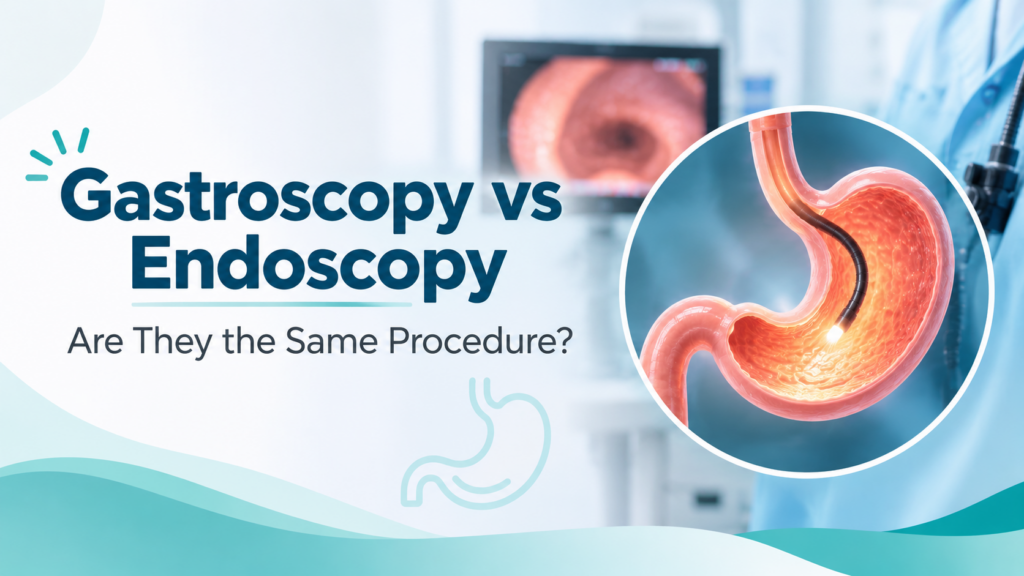
The simple answer is that gastroscopy is a type of endoscopy. Both procedures use a thin, flexible tube with a camera to examine parts of the body. However, a gastroscopy specifically examines the upper digestive tract, including the oesophagus, stomach and the first part of the small intestine.
In this guide, we explain how gastroscopy and endoscopy differ, why a doctor may recommend either procedure, and how to prepare for an examination.
What Is Endoscopy?
Endoscopy is a broad term for a medical procedure that allows a doctor to examine the inside of the body using an instrument called an endoscope. The instrument usually has a light and camera that transmit images to a screen.
Doctors use different types of endoscopy depending on the area they need to examine.
Common examples include:
- Upper GI endoscopy: Examines the oesophagus, stomach and duodenum.
- Colonoscopy: Examines the rectum and colon, or large intestine.
- Bronchoscopy: Examines the airways and lungs.
- Cystoscopy: Examines the inside of the bladder.
Each procedure serves a different purpose. The type recommended depends on your symptoms, medical history and the part of the body that needs investigation.
What Is Gastroscopy?
Gastroscopy is a specific type of upper gastrointestinal endoscopy. It allows a doctor to examine the lining of the upper digestive tract using a thin, flexible tube passed gently through the mouth.
The examination generally covers three areas:
- Oesophagus: The tube that carries food from the mouth to the stomach.
- Stomach: The organ that helps break down food.
- Duodenum: The first part of the small intestine.
A gastroscopy may help identify inflammation, ulcers, bleeding, narrowing or other abnormalities. If necessary, the doctor can take a small tissue sample, called a biopsy, for laboratory testing.
A biopsy does not automatically mean that cancer is suspected. It can also help investigate infections, inflammation and other digestive conditions.
Gastroscopy vs Endoscopy: What Is the Difference?
The main difference is that endoscopy refers to a broad group of procedures, while gastroscopy refers to an examination of the upper digestive tract.
| Feature | Endoscopy | Gastroscopy |
| Meaning | A general term for procedures that examine the inside of the body | A specific type of upper GI endoscopy |
| Area examined | Depends on the type of endoscopy | Oesophagus, stomach and duodenum |
| Instrument | An endoscope suited to the area being examined | A flexible upper GI endoscope |
| Main purpose | Investigates conditions in different parts of the body | Investigates symptoms and conditions affecting the upper digestive tract |
| Examples | Gastroscopy, colonoscopy and bronchoscopy | Upper GI examination |
| Preparation | Varies by procedure | Usually requires fasting according to clinic instructions |
Remember: Every gastroscopy is an endoscopic procedure, but not every endoscopy is a gastroscopy.
When a doctor says “endoscopy” during a digestive consultation, they may mean an upper GI endoscopy. It is always sensible to confirm which examination is planned.
When Is a Gastroscopy Recommended?
A doctor may recommend gastroscopy when symptoms suggest a problem in the upper digestive tract. The procedure is not necessary for every episode of indigestion or acidity; the decision depends on your symptoms and clinical assessment.
1. Frequent Acidity or Heartburn
Occasional heartburn can happen after certain meals. However, persistent symptoms, particularly when they do not improve with appropriate treatment, may need further evaluation.
A gastroscopy can help assess inflammation or damage to the oesophagus and identify other possible causes when indicated.
2. Persistent Upper Abdominal Pain
Recurring pain or discomfort in the upper abdomen may have several causes, including gastritis, peptic ulcers and other digestive conditions.
If your symptoms persist or are accompanied by warning signs, your doctor may recommend a gastroscopy or other investigations.
3. Difficulty Swallowing
Food that feels stuck while swallowing, or pain during swallowing, should be medically assessed. A gastroscopy can help identify certain problems, such as inflammation or narrowing of the oesophagus.
New or worsening difficulty swallowing needs prompt medical attention.
4. Persistent Nausea or Vomiting
Repeated nausea or vomiting can result from various conditions. If your symptoms continue or your doctor suspects an upper digestive tract problem, gastroscopy may help determine the cause.
Seek urgent care if you cannot keep fluids down, develop signs of dehydration or experience severe pain.
5. Suspected Ulcers or Bleeding
Gastroscopy can help identify ulcers and investigate bleeding from the upper digestive tract. In certain cases, the doctor can also treat a bleeding source during the procedure.
Vomiting blood, material resembling coffee grounds or passing black, tarry stools can indicate bleeding. Seek urgent medical care rather than waiting for a routine appointment.
When Might Another Type of Endoscopy Be Needed?
Gastroscopy is useful for examining the upper digestive tract, but it cannot examine every part of the digestive system.
Your doctor may recommend a different procedure depending on your symptoms.
Colonoscopy
A colonoscopy examines the rectum and colon using a flexible instrument passed through the anus. It may be recommended to investigate rectal bleeding, persistent changes in bowel habits, unexplained iron-deficiency anaemia or other concerns. It is also used for colorectal cancer screening in appropriate patients.
Unlike gastroscopy, a colonoscopy requires bowel preparation to clear the colon.
Other Investigations
Some symptoms may require blood tests, stool tests, ultrasound, CT scans or other investigations rather than endoscopy.
For example, suspected liver or gallbladder conditions often need blood tests and imaging. Your doctor will choose the tests according to the suspected cause instead of relying on one procedure for every digestive complaint.
How Should You Prepare for Gastroscopy?
Following the correct preparation instructions helps the doctor examine the digestive tract clearly and supports safe care.
1. Follow Fasting Instructions
You will usually need to stop eating and drinking for a specified period before gastroscopy. This helps keep the stomach empty and reduces the risk of stomach contents entering the lungs during sedation.
Your clinic will provide exact instructions about when to stop food and fluids. Do not assume that the same fasting rules apply to every patient.
2. Discuss Your Medicines
Tell your doctor about all medicines and supplements you take, especially blood thinners, diabetes medicines, insulin and medicines for heart conditions.
Some medicines may need adjustment. Do not stop prescribed medication without specific medical advice.
3. Share Your Medical History
Inform the treating team about allergies, previous reactions to sedation, bleeding problems, heart or lung conditions and other relevant medical issues. Also tell them if you are pregnant or may be pregnant.
4. Arrange Transport if Sedation Is Planned
If you receive sedation, you may feel drowsy afterwards. Arrange for a responsible adult to take you home and follow the clinic’s instructions about driving and returning to normal activities.
5. Ask What Happens After the Procedure
Before your appointment, check when you can eat or drink again, when you will receive the results and whether you should expect a biopsy or further tests.
Having these details in advance can make the experience less stressful.
What Happens During a Gastroscopy?
A gastroscopy is commonly performed as a day procedure, although the exact arrangements depend on the clinic and your health.
Before the procedure: The medical team reviews your medical history, medicines and consent. They explain the procedure and whether throat-numbing spray, sedation or both may be used.
During the procedure: The doctor gently guides the endoscope through your mouth into the oesophagus, stomach and duodenum. You may experience temporary gagging, pressure or bloating. The team monitors you throughout the examination.
After the procedure: You rest while the team checks your recovery. If your throat has been numbed, you may need to wait until normal sensation returns before eating or drinking. Follow the instructions provided by your medical team.
Some findings may be explained shortly after the procedure. If a biopsy is taken, the laboratory results may take longer.
How to Find Suitable Endoscopy Services in Nagpur
If you have been advised to undergo an examination, choosing an appropriate medical facility is an important step. When comparing Endoscopy services in Nagpur, consider the following:
- Relevant expertise: Look for a qualified gastroenterologist with appropriate training and experience.
- Clear communication: The doctor should explain why the procedure is recommended and what the possible findings mean.
- Safety protocols: Ask about patient monitoring, infection-control practices and arrangements for managing complications.
- Preparation guidance: The clinic should provide clear instructions about fasting, medicines and transport.
- Follow-up support: Check how results will be shared and how further treatment or investigations will be arranged if necessary.
The right choice depends on your individual medical needs, the procedure required and the quality of care provided.
For information about consultations and digestive health care, visit the official website of Dr. Rachit Agarwal: https://drrachitagarwal.com/
Frequently Asked Questions
1. Is gastroscopy the same as endoscopy?
Not exactly. Endoscopy is a broad term for procedures that examine the inside of the body. Gastroscopy is a specific type of endoscopy used to examine the oesophagus, stomach and duodenum.
2. Is gastroscopy painful?
Many patients tolerate gastroscopy well. Some experience temporary gagging, throat discomfort or bloating. Throat-numbing spray or sedation may be offered depending on the clinical plan. Your doctor can explain the available options.
3. How long does a gastroscopy take?
The examination itself often takes around 5–15 minutes, but your total time at the clinic may be longer because of preparation, sedation and recovery. The duration varies depending on the findings and any additional procedure.
4. Can gastroscopy detect stomach ulcers?
Yes. Gastroscopy can help identify ulcers in the stomach and duodenum. If needed, the doctor may take tissue samples to investigate certain infections or other conditions.
5. Do I need gastroscopy for acidity?
Not always. Occasional acidity usually does not require gastroscopy. Your doctor may recommend it if symptoms persist despite appropriate treatment, warning signs are present or another upper digestive tract condition needs to be investigated.
6. Is preparation for gastroscopy the same as preparation for colonoscopy?
No. Gastroscopy usually requires fasting for a specified period. Colonoscopy typically requires a bowel-cleansing preparation to empty the colon. Follow the separate instructions provided for your planned procedure.
7. Can I return home after gastroscopy?
Many patients go home on the same day. If sedation is used, you may need someone to accompany you and should avoid driving until your treating team says it is safe.
Conclusion
Gastroscopy and endoscopy are closely related, but they do not mean exactly the same thing. Endoscopy is the general term for procedures that examine the inside of the body, while gastroscopy focuses on the upper digestive tract.
If you are considering Endoscopy in Nagpur, a consultation with a qualified gastroenterologist can help determine which procedure, if any, is appropriate for your symptoms. Understanding the purpose of the examination and following preparation instructions can help you approach the process with confidence.