Fatty-liver-treatment-nagpur
Fatty-liver-treatment-nagpur
Fatty liver disease has become one of the fastest-growing liver conditions worldwide, affecting people across all age groups. Once considered uncommon, it is now frequently seen in individuals with obesity, diabetes, high cholesterol, sedentary lifestyles, and unhealthy dietary habits. In many cases, fatty liver develops silently without causing noticeable symptoms, allowing liver damage to progress before it is diagnosed.
If detected early, fatty liver disease can often be effectively managed through timely medical evaluation, lifestyle modifications, nutritional guidance, and treatment of associated medical conditions. Delaying treatment, however, may increase the risk of liver fibrosis, cirrhosis, liver failure, and other serious complications.
If you are looking for Fatty Liver Treatment in Nagpur, Dr. Rachit Agarwal provides comprehensive evaluation and evidence-based management for all stages of fatty liver disease. Every patient receives a personalized treatment plan based on the severity of liver involvement, overall health, metabolic risk factors, and lifestyle habits to help protect long-term liver function.
What is Fatty Liver Disease?
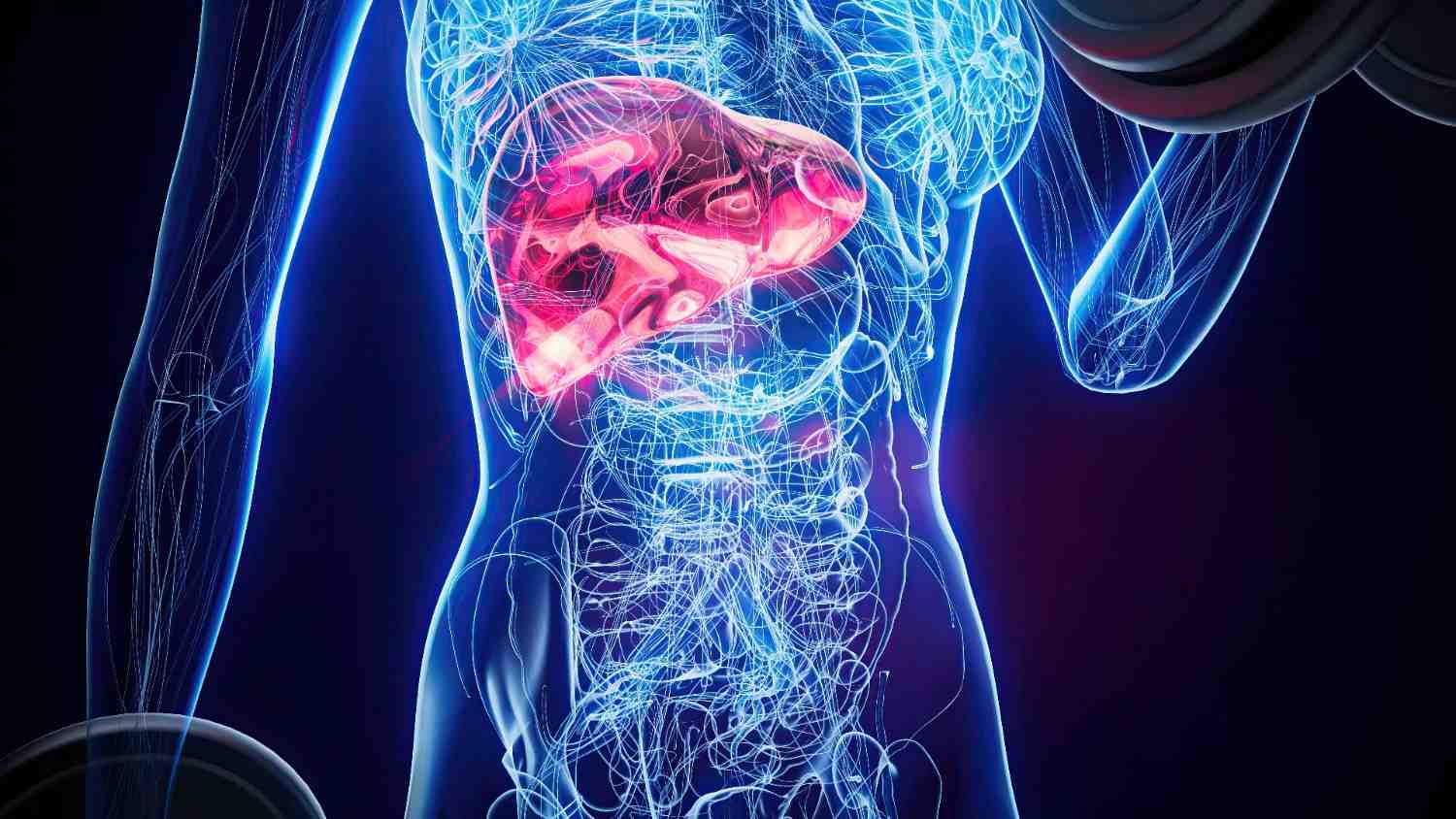
Fatty liver disease is a condition in which excess fat accumulates inside liver cells. Normally, the liver contains a very small amount of fat. When fat makes up more than 5–10% of the liver’s weight, it is considered fatty liver disease.
The liver performs several vital functions, including digestion, detoxification, metabolism, nutrient storage, protein production, and regulation of blood sugar. Excess fat within the liver can gradually impair these functions, resulting in inflammation and progressive liver damage if left untreated.
Many people with fatty liver have no symptoms during the early stages, making routine liver health evaluation particularly important for individuals with diabetes, obesity, high cholesterol, or metabolic syndrome.
Early diagnosis and timely Fatty Liver Treatment in Nagpur can help prevent disease progression and significantly improve liver health.
Can Fatty Liver Be Treated?
Yes. Fatty liver disease can often be controlled and, in many early-stage cases, reversed through weight management, healthy eating habits, regular physical activity, management of diabetes or cholesterol, avoidance of alcohol where appropriate, and regular medical follow-up. Early treatment helps prevent progression to liver fibrosis and cirrhosis.
Types of Fatty Liver Disease
Understanding the type of fatty liver helps determine the most appropriate treatment strategy.
Non-Alcoholic Fatty Liver Disease (NAFLD)
NAFLD develops in individuals who consume little or no alcohol. It is strongly associated with obesity, diabetes, insulin resistance, high cholesterol, and metabolic syndrome. It is currently one of the leading causes of chronic liver disease worldwide.
Non-Alcoholic Steatohepatitis (NASH)
NASH is a more advanced form of NAFLD where fat accumulation is accompanied by liver inflammation and damage to liver cells. Without treatment, NASH may progress to fibrosis, cirrhosis, and liver failure.
Alcohol-Related Fatty Liver Disease
Excessive alcohol consumption can lead to fat accumulation within the liver. Continued alcohol intake may eventually result in alcoholic hepatitis and cirrhosis.
Fatty Liver During Pregnancy
Some women may develop Acute Fatty Liver of Pregnancy, a rare but serious medical condition requiring immediate specialist care.
Symptoms of Fatty Liver Disease
One of the biggest challenges in diagnosing fatty liver disease is that many patients experience no symptoms during its early stages. As liver damage progresses, symptoms may gradually become noticeable.
Common symptoms include:
- Persistent tiredness or fatigue
- Discomfort or pain in the upper right side of the abdomen
- Feeling of heaviness after meals
- Unexplained weakness
- Loss of appetite
- Nausea
- Mild abdominal bloating
- Difficulty losing weight
- Elevated liver enzymes on routine blood tests
- Enlarged liver detected during examination
In advanced liver disease, patients may develop:
- Yellow discoloration of the eyes and skin (jaundice)
- Swelling of the abdomen (ascites)
- Swelling of the legs
- Easy bruising
- Confusion due to liver dysfunction
- Significant weight loss
- Persistent weakness
These symptoms require immediate medical evaluation.
When Should You Consult a Doctor?
Many individuals ignore early digestive or liver-related symptoms, assuming they are temporary. However, persistent symptoms should always be evaluated by a specialist.
You should consult a gastroenterologist if you experience:
- Persistent fatigue without a clear cause
- Upper abdominal discomfort lasting several weeks
- Abnormal Liver Function Test (LFT) reports
- Fatty liver detected on ultrasound
- Diabetes with elevated liver enzymes
- Obesity with metabolic syndrome
- High cholesterol levels
- Excessive alcohol consumption
- Family history of liver disease
- Yellowing of the eyes or skin
- Unexplained weight loss
- Swelling in the abdomen
Early diagnosis significantly improves treatment outcomes and helps prevent long-term liver complications.
What Causes Fatty Liver Disease?
Fatty liver disease develops when excess fat accumulates within liver cells faster than the liver can process or eliminate it. While a small amount of fat in the liver is normal, excessive fat accumulation can interfere with liver function and, over time, lead to inflammation, fibrosis, and permanent liver damage.
The causes of fatty liver disease vary depending on the type of liver condition. Understanding the underlying cause is essential for choosing the most effective treatment approach.
Common causes include:
- Obesity
- Type 2 Diabetes
- Insulin Resistance
- High Cholesterol
- High Triglycerides
- Metabolic Syndrome
- Excessive Alcohol Consumption
- Poor Dietary Habits
- Sedentary Lifestyle
- Rapid Weight Loss
- Certain Medications
- Hormonal Disorders
- Genetic Predisposition
Patients with multiple risk factors have a significantly higher chance of developing progressive liver disease. Early diagnosis and appropriate Fatty Liver Treatment in Nagpur can help reduce liver fat and prevent long-term complications.
Who Is at Higher Risk of Developing Fatty Liver?
Although fatty liver disease can affect anyone, certain individuals are more likely to develop it because of underlying metabolic or lifestyle factors.
You may be at increased risk if you:
- Are overweight or obese
- Have Type 2 Diabetes
- Have high blood pressure
- Have elevated cholesterol or triglycerides
- Consume alcohol regularly
- Follow a diet high in processed foods
- Have Polycystic Ovary Syndrome (PCOS)
- Lead a sedentary lifestyle
- Have sleep apnea
- Have a family history of liver disease
- Are over the age of 40
- Have metabolic syndrome
People with multiple risk factors should undergo regular liver health evaluation even if they do not experience symptoms.
Who is most likely to develop fatty liver disease?
People who are overweight, diabetic, physically inactive, have high cholesterol, metabolic syndrome, or consume excessive alcohol have a higher risk of developing fatty liver disease. Regular liver evaluation helps detect the condition before complications develop.
Grades of Fatty Liver Disease
Fatty liver disease progresses gradually. Understanding its severity helps determine the appropriate treatment and long-term monitoring plan.
Grade 1 Fatty Liver (Mild)
Grade 1 fatty liver is the earliest stage of the disease. A small amount of fat accumulates in liver cells, but liver function usually remains normal.
Most patients have no symptoms, and the condition is often detected incidentally during an ultrasound examination.
With lifestyle modification and timely medical guidance, Grade 1 fatty liver can often be reversed.
Grade 2 Fatty Liver (Moderate)
In Grade 2 fatty liver, fat accumulation becomes more extensive and may begin affecting liver function.
Some individuals may experience:
- Fatigue
- Mild abdominal discomfort
- Elevated liver enzymes
- Digestive discomfort
Without proper treatment, Grade 2 fatty liver may progress to liver inflammation and fibrosis.
Grade 3 Fatty Liver (Severe)
Grade 3 fatty liver indicates extensive fat accumulation and a higher risk of permanent liver damage.
Patients may develop:
- Liver inflammation
- Liver fibrosis
- Cirrhosis
- Portal hypertension
- Liver failure
Timely medical management becomes essential to prevent irreversible complications.
Can Grade 1 Fatty Liver Be Reversed?
Yes. Grade 1 fatty liver is often reversible through weight loss, regular exercise, healthy dietary habits, management of diabetes or cholesterol, and regular medical follow-up. Early diagnosis offers the best opportunity to restore normal liver health.
How is Fatty Liver Disease Diagnosed?
A single test is usually not enough to diagnose fatty liver disease accurately. A gastroenterologist evaluates your symptoms, medical history, physical examination findings, blood investigations, and imaging studies before determining the stage of liver disease.
Accurate diagnosis also helps identify whether liver inflammation or fibrosis has already developed.
Clinical Evaluation
The first step includes:
- Medical history
- Lifestyle assessment
- Alcohol intake evaluation
- Family history
- Medication review
- Physical examination
Liver Function Tests (LFT)
Liver Function Tests help assess liver health by measuring enzymes and proteins produced by the liver.
These tests may detect:
- Liver inflammation
- Liver injury
- Bile duct disorders
- Impaired liver function
However, normal LFT values do not always exclude fatty liver disease.
Ultrasound Abdomen
Ultrasound is one of the most commonly used imaging investigations for detecting fatty liver.
It helps identify:
- Fat accumulation
- Liver enlargement
- Structural abnormalities
- Associated gallbladder disease
Although ultrasound can detect fatty liver, it cannot accurately determine liver fibrosis.
Liver FibroScan for Fatty Liver Assessment
FibroScan is a non-invasive, painless technology that measures liver stiffness and estimates the amount of liver fibrosis. It has become an important tool in evaluating fatty liver disease and monitoring treatment progress.
Unlike liver biopsy, FibroScan does not require needles, hospital admission, or recovery time.
FibroScan helps evaluate:
- Liver stiffness
- Liver fibrosis
- Fat accumulation
- Disease progression
- Response to treatment
Advantages of FibroScan
- Non-invasive
- Quick procedure
- Painless
- No hospital admission
- Immediate results
- Useful for follow-up evaluation
FibroScan is particularly valuable for patients with obesity, diabetes, metabolic syndrome, chronic liver disease, and persistent fatty liver.
Additional Diagnostic Tests
Depending on individual clinical findings, your gastroenterologist may recommend additional investigations.
These may include:
Blood Tests
- Complete Blood Count (CBC)
- Lipid Profile
- Blood Sugar
- HbA1c
- Viral Hepatitis Markers
- Thyroid Function Tests
CT Scan or MRI
Advanced imaging may be recommended in selected patients to assess liver abnormalities or rule out other conditions.
Liver Biopsy
Although less commonly required today, liver biopsy remains the gold standard for diagnosing severe liver inflammation and fibrosis in selected cases where imaging and blood tests are inconclusive.
Which test is best for diagnosing fatty liver disease?
Fatty liver disease is commonly diagnosed using liver function tests, abdominal ultrasound, and FibroScan. These investigations help detect fat accumulation, assess liver health, and determine whether liver fibrosis is present. Additional blood tests or imaging may be recommended depending on the patient’s condition.
Which test is best for diagnosing fatty liver disease?
Many patients assume fatty liver is a harmless condition because they experience few or no symptoms. However, untreated fatty liver can gradually progress to serious liver disease over several years.
Early diagnosis offers several important benefits:
- Prevents liver fibrosis
- Reduces the risk of cirrhosis
- Protects long-term liver function
- Enables lifestyle modification at an early stage
- Supports personalized treatment planning
- Helps monitor disease progression
- Improves long-term health outcomes
Timely diagnosis is the first step toward effective Fatty Liver Disease Management in Nagpur, allowing treatment to begin before permanent liver damage occurs.
You should consult a gastroenterologist if your stomach pain lasts for more than a few days, keeps recurring, becomes severe, or is associated with symptoms such as fever, vomiting, blood in the stool, unexplained weight loss, difficulty swallowing, or persistent acidity. Early diagnosis helps identify the underlying cause and supports timely Stomach Pain Treatment in Nagpur.
Persistent stomach pain can result from various digestive conditions, including gastritis, acid reflux (GERD), stomach ulcers, Irritable Bowel Syndrome (IBS), gallstones, pancreatitis, constipation, gastrointestinal infections, and liver disorders. A detailed medical evaluation is essential to determine the exact cause and recommend the appropriate treatment.
The diagnosis of stomach pain depends on your symptoms and medical history. Your gastroenterologist may recommend blood tests, stool tests, abdominal ultrasound, Upper GI Endoscopy, Colonoscopy, CT scan, or other imaging studies to accurately identify the underlying digestive condition and guide treatment.
The best doctors for stomach pain treatment in Nagpur are experienced gastroenterologists who specialize in diagnosing and managing digestive disorders affecting the stomach, intestines, liver, pancreas, and gallbladder. Choosing a specialist with expertise in advanced diagnostic procedures such as endoscopy and colonoscopy helps ensure accurate diagnosis and personalized treatment.
If you are experiencing persistent or recurrent abdominal pain, seeking top abdominal pain treatment in Nagpur from a qualified gastroenterologist is important. Comprehensive evaluation, advanced diagnostic facilities, and personalized treatment plans help identify the exact cause of abdominal pain and support effective long-term digestive health.