Esophageal & Colonic Stricture Dilation in Nagpur
Advanced Esophageal Stricture Dilation in Nagpur
Esophageal and colonic strictures can significantly affect a person’s ability to eat, swallow, and maintain digestive health. Stricture dilation is a minimally invasive endoscopic procedure used to widen narrowed areas of the esophagus or colon and restore normal function.
Dr. Rachit Agarwal, an experienced Gastroenterologist in Nagpur, provides advanced Esophageal Stricture Dilation in Nagpur and Colonic Stricture Dilation in Nagpur for patients suffering from swallowing difficulties, digestive obstruction, and gastrointestinal narrowing. Patients seeking a trusted Digestive Health Specialist in Nagpur can benefit from accurate diagnosis and personalized treatment.
What is Esophageal Stricture?
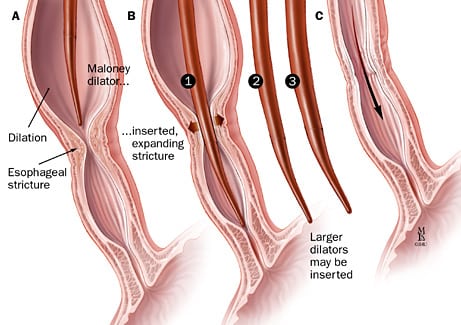
Benign esophageal stricture describes a narrowing or tightening of the esophagus. The esophagus is the tube that brings food and liquids from your mouth to your stomach. “Benign” means it is not cancerous.
Benign esophageal stricture typically occurs when stomach acid and other irritants damage the lining of the esophagus over time. This leads to inflammation (esophagitis) and scar tissue formation, which causes the esophagus to narrow.
Although benign esophageal stricture is not a sign of cancer, the condition can cause several problems. Narrowing of the esophagus may make it difficult to swallow. This increases the risk of choking and may eventually lead to complete obstruction of the esophagus, preventing food and fluids from reaching the stomach.
As a trusted Stomach specialist in Nagpur, Dr. Rachit Agarwal offers advanced endoscopic treatment options to improve swallowing and quality of life.
What is Colonic Stricture?
A colonic stricture is a narrowing of the colon that restricts the normal movement of stool through the large intestine. Colonic strictures may develop due to inflammation, previous surgery, infections, inflammatory bowel disease, or other gastrointestinal conditions.
Colonic Stricture Dilation in Nagpur helps widen the narrowed area and restore bowel function without the need for major surgery in many cases.
Causes of Esophageal and Colonic Strictures
Common causes include:
Esophageal Strictures
- Chronic acid reflux (GERD)
- Esophagitis
- Repeated acid injury
- Radiation therapy
- Previous surgery
- Esophageal ulcers
- Ingestion of corrosive substances
Colonic Strictures
- Inflammatory bowel disease (Crohn’s disease)
- Diverticular disease
- Previous bowel surgery
- Chronic inflammation
- Radiation injury
- Intestinal infections
Symptoms of Esophageal Strictures
Patients may experience:
- Difficulty swallowing
- Food getting stuck while eating
- Pain while swallowing
- Regurgitation of food
- Weight loss
- Choking episodes
- Persistent heartburn
Symptoms of Colonic Strictures
Common symptoms include:
- Abdominal pain
- Constipation
- Bloating
- Difficulty passing stool
- Changes in bowel habits
- Intestinal obstruction
What is Stricture Dilation?
Stricture dilation is a therapeutic endoscopic procedure used to widen narrowed areas within the digestive tract.
During Esophageal Stricture Dilation in Nagpur, specialized balloons or dilators are used to gently stretch the narrowed section of the esophagus.
Similarly, Colonic Stricture Dilation in Nagpur helps improve bowel function by widening narrowed areas of the colon.
The procedure is minimally invasive and performed by an experienced Gastroenterologist in Nagpur.
Who Should Consider Stricture Dilation?
You may benefit from stricture dilation if you:
- Have difficulty swallowing
- Frequently experience food impaction
- Have recurrent esophageal narrowing
- Suffer from chronic GERD-related complications
- Experience symptoms of bowel obstruction
- Have a diagnosed colonic stricture
- Have narrowing caused by inflammatory bowel disease
Consulting a Digestive Health Specialist in Nagpur can help determine whether dilation is appropriate for your condition.
Benefits of Esophageal & Colonic Stricture Dilation
- Improved swallowing ability
- Better nutritional intake
- Reduced choking risk
- Relief from bowel obstruction symptoms
- Minimally invasive treatment
- Faster recovery compared to surgery
- Improved quality of life
These benefits make stricture dilation an effective treatment option offered by an experienced Stomach specialist in Nagpur.
What to Expect During the Procedure?
The procedure is typically performed using an endoscope.
During the Procedure:
- Sedation may be administered for comfort.
- An endoscope is inserted through the mouth or rectum.
- The narrowed area is identified.
- Specialized dilation devices are used to widen the stricture.
- The digestive tract is reassessed to ensure adequate opening.
Most patients can return home the same day.
Why Choose Dr. Rachit Agarwal for Esophageal & Colonic Stricture Dilation in Nagpur?
Dr. Rachit Agarwal is a highly experienced Gastroenterologist in Nagpur specializing in advanced diagnostic and therapeutic endoscopic procedures.
Patients choose Dr. Agarwal for:
- Expertise in therapeutic endoscopy
- Advanced gastrointestinal care
- Personalized treatment plans
- Comprehensive digestive health evaluation
- Minimally invasive treatment approaches
- Patient-centered care
If you are looking for a trusted Digestive Health Specialist in Nagpur or Stomach specialist in Nagpur, expert consultation can help restore digestive function and improve your quality of life.
Frequently Asked Questions
Esophageal Stricture Dilation is a procedure used to widen a narrowed esophagus and improve swallowing.
Colonic Stricture Dilation is a minimally invasive procedure used to widen narrowed sections of the colon and improve bowel function.
The procedure is usually performed under sedation, and most patients experience minimal discomfort.
The procedure generally takes 30–60 minutes depending on the location and severity of the stricture.
Some patients may require repeat dilation depending on the underlying cause and severity of the condition.