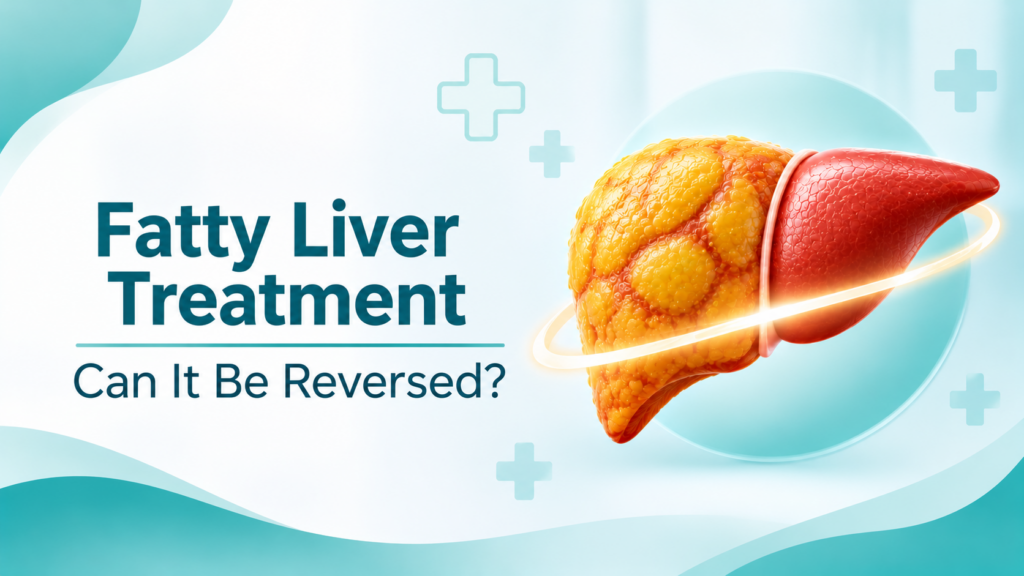
Can Fatty Liver Be Reversed? Fatty Liver Treatment in Nagpur and Follow-Up
Being diagnosed with fatty liver can raise several questions. Is it serious? Can it be reversed? Will you need medication, or can changes to your daily routine improve your liver health?
The good news is that fatty liver can often be improved and, in many cases, reversed, especially when detected early. The right approach depends on the cause, the amount of fat in the liver and whether inflammation or scarring has developed. If you are looking for Fatty Liver Treatment in Nagpur, understanding the treatment options and the importance of regular follow-up is a useful first step.
Fatty liver disease is common, but it should not be ignored. With an appropriate medical assessment, sustainable lifestyle changes and ongoing monitoring, many people can improve their liver health and reduce the risk of complications.
What Is Fatty Liver Disease?
Fatty liver disease occurs when excess fat builds up in the liver. Doctors now commonly use the term metabolic dysfunction-associated steatotic liver disease (MASLD) for fatty liver associated with metabolic risk factors, such as excess body weight, type 2 diabetes and abnormal cholesterol levels. Alcohol-related liver disease is another important category.
In its early stages, fatty liver may not cause noticeable symptoms. It is often discovered during an ultrasound, blood tests or an examination for another health concern.
However, some people develop inflammation and liver damage. Over time, this can lead to fibrosis, which means scarring of the liver. Advanced fibrosis may progress to cirrhosis, a serious condition that affects how the liver functions.
The key point: Fat in the liver does not automatically mean permanent damage, but identifying the stage of disease helps determine the right treatment and follow-up plan.
Can Fatty Liver Be Reversed?
Yes, fatty liver can often be reversed, particularly when it is identified before significant scarring develops.
When excess fat is related to metabolic factors, improving diet, increasing physical activity and managing conditions such as diabetes and high cholesterol can reduce liver fat. For people who are overweight, gradual and sustained weight loss can also improve liver health.
However, the outcome varies from person to person.
- Early-stage fatty liver: Liver fat may decrease substantially with appropriate lifestyle changes.
- Fatty liver with inflammation: Improvement is possible, but treatment and monitoring may need to be more intensive.
- Fibrosis or scarring: Some fibrosis may improve in certain people, but the extent of recovery varies.
- Advanced cirrhosis: Scarring is not always reversible. Specialist care is important to manage complications and protect remaining liver function.
Even if you feel healthy, you should not assume the condition has resolved without appropriate assessment. Symptoms alone cannot tell you how much fat or scarring is present.
What Causes Fatty Liver?
Understanding the underlying cause helps your doctor recommend the most appropriate treatment.
Common contributing factors include:
1. Excess Body Weight
Excess body fat, particularly around the abdomen, is associated with a higher risk of metabolic fatty liver disease. Weight management can be an important part of treatment when appropriate.
2. Type 2 Diabetes and Insulin Resistance
Insulin resistance can affect how the body processes and stores fat, contributing to fat accumulation in the liver. Managing blood sugar is therefore an important part of liver care.
3. High Cholesterol and Triglycerides
Abnormal blood lipid levels often occur alongside fatty liver. Treating these abnormalities can help improve overall metabolic health.
4. Alcohol Consumption
Alcohol can contribute to liver fat accumulation and liver injury. The risk depends on several factors, including the amount and pattern of consumption and individual health.
If you have fatty liver, discuss alcohol use honestly with your doctor. Avoiding alcohol may be particularly important when liver inflammation or scarring is present.
5. Certain Medicines and Other Medical Conditions
Some medicines and less common medical conditions can contribute to fat accumulation in the liver. Do not stop prescribed medication on your own; your doctor can assess whether a change is necessary.
What Are the Treatment Options for Fatty Liver?
There is no single treatment plan that suits everyone. A doctor considers your medical history, blood test results, metabolic risk factors and the possibility of liver scarring before recommending treatment.
1. Make Sustainable Dietary Changes
A balanced eating pattern can help reduce excess calorie intake and improve metabolic health.
Consider these practical changes:
- Eat more vegetables, whole fruits, whole grains, pulses and other fibre-rich foods.
- Include suitable sources of protein, such as beans, lentils, eggs, fish or other lean protein foods.
- Reduce sugary drinks, packaged juices, sweets and foods high in added sugar.
- Limit frequent consumption of deep-fried foods and highly processed snacks.
- Watch portion sizes, especially when trying to lose weight.
- Choose water or unsweetened drinks more often.
You do not need to follow an extreme diet or eliminate every carbohydrate. A realistic eating pattern that you can maintain over time is generally more useful than a short-term restrictive plan.
2. Aim for Gradual Weight Loss if Needed
For people who are overweight or living with obesity, gradual weight loss can reduce liver fat and improve metabolic health.
A commonly used clinical goal is losing around 5% of body weight to reduce liver fat. Greater weight loss, sometimes around 7–10% or more, may provide additional benefits for liver inflammation and, in some people, fibrosis. These are general targets, not guarantees, and the appropriate goal varies by individual.
Avoid crash diets or rapid weight-loss methods without medical guidance. If you have advanced liver disease or other medical conditions, your nutritional needs may be different.
3. Exercise Regularly
Physical activity can improve liver health even when the number on the weighing scale changes only modestly.
Useful options include:
- Brisk walking.
- Cycling.
- Swimming.
- Strength-training exercises suited to your fitness level.
- Short walks during breaks from prolonged sitting.
For many adults, a reasonable goal is at least 150 minutes of moderate-intensity activity per week, building up gradually if you are currently inactive. Add muscle-strengthening activity when appropriate.
If you have a medical condition or have not exercised for a long time, speak with your doctor about a safe starting point.
4. Manage Diabetes, Cholesterol and Blood Pressure
Fatty liver is closely linked to metabolic health. Treating high blood sugar, abnormal cholesterol, high blood pressure and excess weight can help reduce overall health risks.
Your doctor may recommend lifestyle changes and medicines to manage these conditions. Some medicines may also have benefits for selected patients with fatty liver disease, depending on their diagnosis and clinical circumstances.
5. Use Liver-Directed Medication Only When Appropriate
Lifestyle changes remain central to fatty liver management, but certain patients may qualify for specific medical treatments depending on the disease stage and local availability.
Medication decisions require specialist assessment. Not every person with fatty liver needs a liver-specific drug, and treatments used for diabetes, cholesterol or obesity may be considered according to the person’s overall health.
Avoid relying on unverified liver tonics, detox drinks or herbal supplements. Some supplements can damage the liver or interact with prescribed medicines.
How Is Fatty Liver Diagnosed and Monitored?
A fatty liver diagnosis should involve more than simply identifying fat on an ultrasound. Your doctor may assess several aspects of your liver health to understand the risk of future complications.
Blood Tests
Blood tests may include liver enzymes and other measures of liver function, along with tests for blood sugar and cholesterol. Depending on your history, the doctor may recommend additional tests to investigate other causes of liver disease.
Normal liver enzyme levels do not always rule out significant liver damage.
Ultrasound
An abdominal ultrasound can identify signs of fat accumulation in the liver. However, it cannot reliably determine the amount of fibrosis, and it may miss milder fatty liver.
Fibrosis Assessment
Your doctor may calculate a risk score using blood test results and other clinical information. Depending on the findings, a specialised test such as transient elastography may be recommended to assess liver stiffness.
Not every patient needs every test. Further investigations depend on the initial results and the individual’s risk factors.
Why Is Regular Follow-Up Important?
Fatty liver often develops without obvious symptoms. You may feel well even when inflammation or scarring is present. Regular follow-up helps your doctor assess whether the treatment plan is working and whether your risk of complications has changed.
During follow-up, your doctor may:
- Review your weight, diet and physical activity.
- Check blood sugar, cholesterol and relevant liver blood tests.
- Reassess your risk of liver fibrosis when appropriate.
- Review medicines and supplements that may affect the liver.
- Adjust the treatment plan according to your progress.
- Recommend specialist care if tests suggest more advanced disease.
The timing of follow-up depends on the stage of fatty liver, your metabolic health and the results of earlier tests. Some people need periodic monitoring, while others require closer assessment.
Do not rely only on improvements in weight or liver enzyme results to decide whether your liver has recovered. Your doctor can determine whether additional assessment is needed.
When Should You Consult a Liver Specialist in Nagpur?
Consider seeking medical advice if an ultrasound shows fatty liver, your liver blood tests are abnormal or you have risk factors such as type 2 diabetes, excess weight or high triglycerides.
A consultation is also important if you have previously been diagnosed with fatty liver but have not had a follow-up assessment.
When looking for a Liver clinic in Nagpur, consider a facility where your medical history, metabolic risk factors and liver fibrosis risk can be assessed together. This helps ensure that the care plan addresses the underlying causes rather than focusing on a single test result.
For information about consultations and digestive or liver-related care, visit the official website of Dr. Rachit Agarwal: https://drrachitagarwal.com/
Seek urgent medical attention if you develop yellowing of the eyes or skin, new abdominal swelling, confusion, vomiting blood or black, tarry stools.
Frequently Asked Questions About Fatty Liver Treatment
1. How long does it take to reverse fatty liver?
There is no fixed timeline. Some people see improvements in liver fat and metabolic health over several months, while others need longer-term treatment and monitoring. The outcome depends on the underlying cause, disease stage and consistency of lifestyle changes.
2. Can fatty liver be reversed without medication?
Many people with early-stage metabolic fatty liver can improve their condition through sustainable dietary changes, physical activity and weight management where appropriate. However, some patients need medication to manage associated conditions or specialist treatment for more advanced disease.
3. Is fatty liver a serious condition?
Early-stage fatty liver may cause little or no immediate harm, but some people develop inflammation, fibrosis or cirrhosis. Medical assessment helps identify those at greater risk and determine the right follow-up schedule.
4. Which foods should I avoid if I have fatty liver?
Try to limit sugary drinks, foods high in added sugar, frequent deep-fried meals and highly processed snacks. Alcohol should be discussed with your doctor, particularly if you have inflammation or scarring. A balanced diet is generally more helpful than following an extreme food restriction plan.
5. Can walking help reduce fatty liver?
Yes. Regular walking and other forms of physical activity can improve metabolic health and reduce liver fat, even if weight loss is modest. Start at a comfortable level and gradually increase your activity.
6. Can fatty liver return after it improves?
Yes. Liver fat can build up again if the contributing factors return or remain uncontrolled. Continuing healthy eating habits, physical activity and management of diabetes and cholesterol can help maintain improvements.
7. Does everyone with fatty liver need a FibroScan?
No. A FibroScan or another fibrosis assessment may be recommended based on your risk factors, blood test results and medical history. Your doctor can decide whether it is necessary and how often it should be repeated.
Conclusion
Fatty liver can often be improved and may be reversible, particularly when detected early and managed consistently. Sustainable dietary changes, regular physical activity, appropriate weight management and control of associated health conditions are important parts of treatment.
However, fatty liver is not the same for everyone. Identifying the underlying cause and checking for inflammation or fibrosis helps determine the right approach and follow-up plan.
If you are considering Fatty Liver Treatment in Nagpur, consult a qualified medical specialist to understand your liver health and the steps most suitable for you. Regular follow-up can help track progress, identify risks and support long-term liver health.