Endoscopy in Nagpur: When Is It Needed and How Should You Prepare?
Persistent acidity, stomach pain, difficulty swallowing or unexplained digestive problems can affect your daily life. If these symptoms keep returning, your doctor may recommend an endoscopy to understand what is happening inside your digestive tract. If you are looking for Endoscopy in Nagpur, knowing when the procedure is needed and how to prepare can help you feel more confident before your appointment.
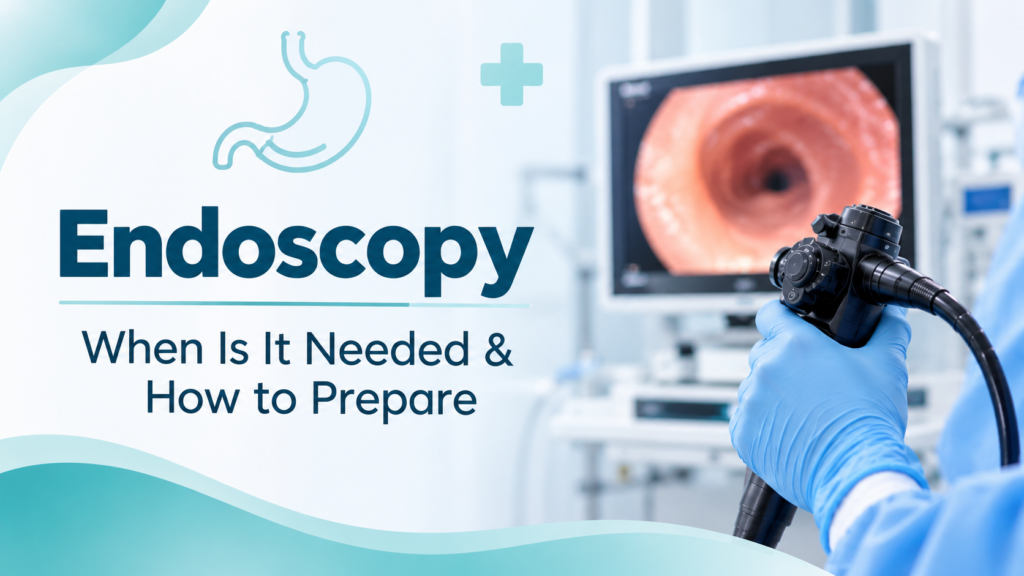
Endoscopy is a commonly used medical procedure that allows a doctor to examine the inner lining of the upper digestive tract using a thin, flexible tube with a camera. It can help identify certain conditions affecting the oesophagus, stomach and the first part of the small intestine.
Understanding the procedure beforehand can help you follow your doctor’s instructions and make informed decisions about your digestive health.
What Is an Endoscopy?
An upper gastrointestinal (GI) endoscopy, also called an upper GI endoscopy or gastroscopy, is a procedure used to examine the oesophagus, stomach and duodenum, which is the first part of the small intestine.
During the procedure, a doctor gently guides a thin, flexible instrument called an endoscope through the mouth and into the upper digestive tract. A small camera sends images to a screen, allowing the doctor to look for inflammation, ulcers, bleeding and other abnormalities.
If necessary, the doctor may take a small tissue sample, known as a biopsy, for laboratory examination. A biopsy does not automatically mean cancer is suspected; it can also help diagnose infections, inflammation and other conditions.
When Is an Endoscopy Needed?
Not every episode of acidity or stomach discomfort requires an endoscopy. Your doctor will consider your symptoms, medical history, age, examination findings and any warning signs before recommending the procedure.
Here are some common situations in which an endoscopy may be helpful.
1. Frequent Acidity or Persistent Heartburn
Occasional heartburn can happen after certain foods or large meals. However, frequent or persistent symptoms may need medical assessment, particularly when they do not improve with appropriate treatment.
An endoscopy may help investigate conditions such as acid-related inflammation of the oesophagus, ulcers or other problems when clinically indicated.
2. Ongoing Stomach Pain or Upper Abdominal Discomfort
Repeated pain or discomfort in the upper abdomen should not always be dismissed as gas or indigestion.
Depending on the symptoms, a doctor may recommend an endoscopy to investigate possible causes such as gastritis, peptic ulcers or other abnormalities of the upper digestive tract.
3. Difficulty or Pain While Swallowing
If food feels stuck in your throat or chest, or swallowing causes pain, seek medical advice. These symptoms can have several causes, including narrowing of the oesophagus or inflammation.
An endoscopy allows the doctor to examine the oesophagus and investigate the source of the problem.
4. Persistent Nausea or Vomiting
Nausea and vomiting can occur for many reasons, including infections, medication effects and digestive conditions.
If vomiting continues, keeps returning or occurs alongside other concerning symptoms, your doctor may recommend further investigations. Endoscopy may be appropriate when an upper digestive tract problem is suspected.
5. Unexplained Weight Loss or Loss of Appetite
Losing weight without trying, particularly when accompanied by persistent stomach symptoms, requires medical evaluation.
An endoscopy may help identify certain conditions affecting the upper digestive tract. Your doctor may also recommend blood tests, imaging or other investigations depending on your symptoms.
6. Suspected Stomach Ulcers or Gastrointestinal Bleeding
An endoscopy can help identify ulcers and, in suitable cases, locate the source of bleeding in the upper digestive tract. Some bleeding can be treated during the procedure.
Vomiting blood or material resembling coffee grounds, or passing black, tarry stools, can indicate gastrointestinal bleeding. Seek urgent medical care rather than waiting for a routine appointment.
7. Follow-Up of Certain Digestive Conditions
People with selected digestive disorders may need an endoscopy to monitor their condition, assess treatment response or investigate new symptoms. The need and timing depend on the diagnosis and the doctor’s recommendation.
What Conditions Can an Endoscopy Detect?
An upper GI endoscopy can help diagnose or investigate several conditions, including:
- Gastritis: Inflammation of the stomach lining.
- Peptic ulcers: Open sores in the lining of the stomach or duodenum.
- Oesophagitis: Inflammation of the oesophagus.
- Gastro-oesophageal reflux complications: Certain changes or damage caused by repeated acid reflux.
- Oesophageal narrowing: Areas that may make swallowing difficult.
- Abnormal growths: Some polyps, tumours or other tissue changes that may require a biopsy.
- Sources of upper GI bleeding: Including certain ulcers or damaged blood vessels.
An endoscopy does not detect every digestive condition. Problems involving the liver, gallbladder, pancreas or lower intestine may require different tests. Your doctor will recommend investigations based on the symptoms and suspected cause.
How Should You Prepare for an Endoscopy?
Proper preparation helps the doctor examine the digestive tract clearly and reduces the risk of complications. Always follow the instructions provided by your treating team, as requirements may differ depending on your health and the type of procedure planned.
1. Follow the Fasting Instructions
You will usually need to stop eating and drinking for a specified period before an upper GI endoscopy. An empty stomach helps the doctor see the lining more clearly and reduces the risk of stomach contents entering the lungs during sedation.
Your clinic will tell you exactly when to stop food and fluids. Do not assume that the same fasting rules apply to every patient.
2. Tell Your Doctor About Your Medicines
Inform your doctor about all medicines and supplements you take, especially:
- Blood thinners or antiplatelet medicines.
- Diabetes medicines, including insulin.
- Medicines for blood pressure or heart conditions.
- Iron supplements and other relevant medications.
Some medicines may need adjustments before the procedure. Do not stop prescribed medicines on your own. Ask your doctor for specific instructions.
3. Share Your Medical History
Before the procedure, let your doctor know if you have any allergies, previous reactions to sedation, heart or lung conditions, bleeding disorders, or other significant medical problems.
Tell the treating team if you are pregnant or may be pregnant. This information helps them plan the procedure appropriately.
4. Arrange Transport if Sedation Is Planned
Some patients receive a sedative to help them relax during endoscopy. If sedation is used, you may not be able to drive safely afterwards.
Arrange for a responsible adult to take you home and follow the clinic’s advice about driving, work and other activities after the procedure.
5. Ask Questions Before Your Appointment
It is reasonable to ask your doctor:
- Why is an endoscopy recommended in my case?
- How long will the procedure take?
- Will I receive sedation?
- When can I eat and drink afterwards?
- When will I receive the results?
- Will I need a biopsy or further tests?
Understanding the plan can make the experience less stressful and help you prepare properly.
What Happens During an Endoscopy?
Knowing what to expect can make the procedure feel more manageable.
Before the procedure: The medical team will review your health history, medicines and consent. If sedation is planned, they will explain what you need to know.
During the procedure: You may receive a throat-numbing spray, sedation or both, depending on the clinical plan. The doctor then guides the endoscope through your mouth to examine the upper digestive tract. You may experience temporary pressure, gagging or bloating, but the team will monitor you throughout.
After the procedure: You will usually rest for a short period while the team monitors your recovery. If your throat has been numbed, you may need to wait until normal sensation returns before eating or drinking, according to the team’s instructions.
Some results may be discussed soon after the procedure. If a biopsy is taken, the laboratory report may take longer.
Is Endoscopy Painful or Risky?
An upper GI endoscopy is generally well tolerated. Some people experience temporary throat discomfort, bloating or mild nausea afterwards. Sedation may cause drowsiness for several hours.
Serious complications are uncommon but can include bleeding, a tear in the digestive tract or a reaction to sedation. The risk depends on factors such as your health, the reason for the procedure and whether additional treatment is performed.
Your doctor should explain the benefits, risks and alternatives relevant to your situation before obtaining consent.
After the procedure, seek urgent medical attention if you develop severe or worsening abdominal or chest pain, difficulty breathing, significant bleeding, fever or repeated vomiting.
How to Choose Endoscopy Services in Nagpur
If your doctor recommends the procedure, choosing an appropriate medical facility is an important step. When exploring Endoscopy services in Nagpur, consider the following:
- Qualified medical specialist: Look for a gastroenterologist with relevant training and experience.
- Clear explanation: The doctor should explain why the procedure is needed, its possible findings and any alternatives.
- Appropriate safety measures: Ask about monitoring, infection-control practices and arrangements for managing complications.
- Pre-procedure guidance: The clinic should provide clear fasting, medication and transport instructions.
- Follow-up care: Confirm how you will receive the results and discuss the next steps if further tests or treatment are needed.
The right facility is one that meets your medical needs and provides appropriate assessment, safe procedural care and follow-up.
When Should You Consult a Gastroenterologist in Nagpur?
Consider consulting a gastroenterologist if you experience recurring acidity, persistent upper abdominal pain, difficulty swallowing, unexplained weight loss or other digestive symptoms that do not improve.
A specialist can assess your symptoms and decide whether lifestyle changes, medication, blood tests, imaging or an endoscopy is the most suitable next step. Not everyone with digestive discomfort needs an endoscopy, so an individual assessment matters.
For information about consultation and digestive care, visit the official website of Dr. Rachit Agarwal: https://drrachitagarwal.com/
If you have severe abdominal pain, vomit blood, pass black tarry stools, faint or experience breathing difficulty, seek urgent medical care.
Frequently Asked Questions About Endoscopy in Nagpur
1. How long does an upper GI endoscopy take?
The procedure itself often takes around 5–15 minutes, although the total time at the clinic may be longer because of preparation, sedation and recovery. The exact duration depends on the findings and any additional procedure required.
2. Can I eat before an endoscopy?
You will usually need to fast before an upper GI endoscopy. Follow the exact food and fluid restrictions given by your treating team. If you accidentally eat or drink during the fasting period, inform the clinic before the procedure.
3. Will I be awake during an endoscopy?
This depends on the planned approach. Some patients receive throat-numbing spray, while others receive sedation. Your doctor will explain the options and what is suitable for you.
4. Is an endoscopy necessary for acidity?
Not always. Occasional acidity can often be managed without endoscopy. A doctor may recommend the procedure if symptoms persist despite appropriate treatment, warning signs are present or another condition needs to be investigated.
5. Can an endoscopy detect stomach cancer?
An endoscopy can identify suspicious abnormalities in the upper digestive tract. If needed, the doctor can take a biopsy to examine the tissue. A biopsy is often necessary to establish a diagnosis; endoscopy alone does not confirm every suspected cancer.
6. When can I return to normal activities after an endoscopy?
Recovery depends on whether sedation was used and whether any additional procedure was performed. Follow your doctor’s instructions. If you receive sedation, do not drive or undertake activities requiring full alertness until you are cleared to do so.
Conclusion
Endoscopy can be a valuable tool for investigating persistent digestive symptoms, identifying certain upper digestive tract conditions and guiding treatment when needed. Knowing what the procedure involves and following the preparation instructions can help you approach it with greater confidence.
If you are considering Endoscopy in Nagpur, start with a consultation to understand the cause of your symptoms and whether the procedure is appropriate for you. A personalised medical assessment is the best way to determine the next step for your digestive health.