Jaundice Treatment in Nagpur
Jaundice Treatment in Nagpur | Expert Care for Faster Liver Recovery
Jaundice is a condition that causes yellowing of the skin and eyes due to increased bilirubin levels in the blood. It is often a sign of an underlying liver, bile duct, or blood disorder and should not be ignored. Early diagnosis is important to identify the exact cause and begin appropriate treatment before complications develop.
If you are looking for Jaundice Treatment in Nagpur, Dr. Rachit Agarwal provides comprehensive evaluation and personalized treatment for liver and digestive disorders using advanced diagnostic techniques and evidence-based medical care to support faster recovery and long-term liver health.
What is Jaundice?
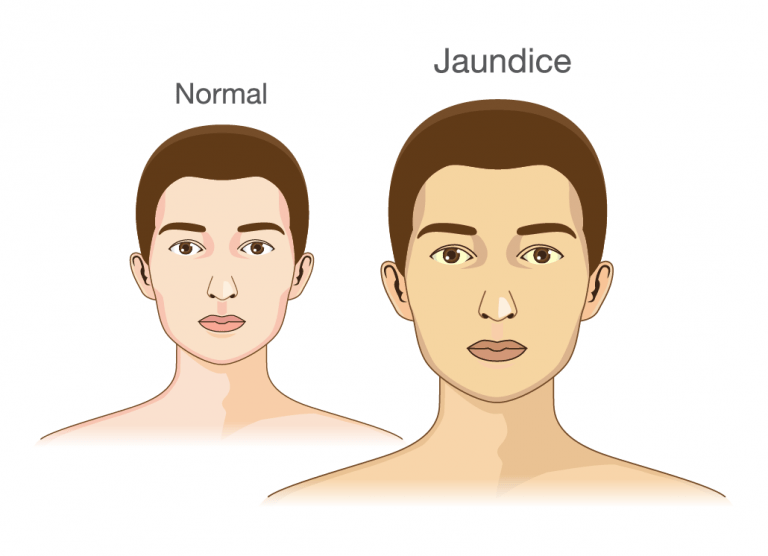
Jaundice is a condition in which the skin, the white part of the eyes, and mucous membranes develop a yellowish discoloration due to an increased level of bilirubin in the bloodstream. Bilirubin is a yellow pigment produced during the normal breakdown of red blood cells. Under normal circumstances, the liver processes bilirubin and removes it from the body through bile.
When the liver is unable to process bilirubin effectively or when there is a blockage in the bile ducts, bilirubin accumulates in the blood, leading to jaundice.
Although jaundice can affect people of all ages, it should never be ignored. In adults, it often indicates an underlying liver or digestive disorder that requires prompt medical evaluation. Early Jaundice Treatment in Nagpur helps identify the exact cause and supports timely treatment before complications develop.
Types of Jaundice
Jaundice is broadly classified into three main types based on where the problem occurs within the body.
Pre-Hepatic Jaundice
Pre-hepatic jaundice develops before bilirubin reaches the liver. It usually occurs because of excessive breakdown of red blood cells, causing the liver to become overwhelmed by the increased bilirubin production.
Possible causes include:
- Hemolytic anemia
- Blood disorders
- Certain infections
- Genetic conditions
Hepatic Jaundice
Hepatic jaundice occurs when the liver itself is affected by disease or injury, reducing its ability to process bilirubin effectively.
Common liver-related causes include:
- Viral Hepatitis A, B, and C
- Fatty Liver Disease
- Alcohol-related Liver Disease
- Liver Cirrhosis
- Drug-induced Liver Injury
- Autoimmune Liver Disease
This is one of the most common types of jaundice seen in adults.
Post-Hepatic (Obstructive) Jaundice
Post-hepatic jaundice develops when bile cannot flow normally from the liver into the intestine because of a blockage.
Common causes include:
- Gallstones
- Bile duct strictures
- Pancreatic disorders
- Bile duct tumors
- Choledocholithiasis
Many patients with obstructive jaundice may require advanced procedures such as ERCP to relieve the blockage.
Common Symptoms of Jaundice
The symptoms of jaundice vary depending on its underlying cause and severity. While yellowing of the skin and eyes is the most noticeable sign, many patients also experience symptoms related to liver dysfunction or bile duct obstruction.
Common symptoms include:
- Yellowing of the eyes and skin
- Dark-colored urine
- Pale or clay-colored stools
- Persistent fatigue
- Weakness
- Loss of appetite
- Nausea or vomiting
- Upper abdominal pain
- Fever (in certain infections)
- Itching of the skin
- Unexplained weight loss
- Abdominal swelling in advanced liver disease
Patients experiencing these symptoms should seek medical evaluation without delay.

When Should You Consult a Gastroenterologist?
Although mild jaundice may sometimes improve after treating its underlying cause, persistent jaundice should always be evaluated by a specialist.
Consult a gastroenterologist if you experience:
- Yellowing of the skin or eyes
- Persistent fatigue
- Pain in the upper right abdomen
- Dark-colored urine
- Pale stools
- Fever with jaundice
- Persistent nausea or vomiting
- Unexplained weight loss
- Itching associated with jaundice
- Swelling of the abdomen
- History of liver disease
- Abnormal Liver Function Test (LFT) reports
Early diagnosis allows appropriate treatment and helps prevent liver-related complications.
What Causes Jaundice?
Jaundice develops when bilirubin, a yellow pigment produced during the normal breakdown of red blood cells, builds up in the bloodstream. This usually occurs when the liver is unable to process bilirubin efficiently or when the flow of bile is blocked. Since jaundice is a symptom rather than a disease, identifying its underlying cause is the first step toward effective treatment.
Some causes are temporary and easily treatable, while others require long-term medical care. Seeking timely Jaundice Treatment in Nagpur helps determine the exact cause and supports appropriate management before complications develop.
Viral Hepatitis
Viral hepatitis is one of the most common causes of jaundice. Inflammation of the liver caused by Hepatitis A, B, C, D, or E viruses affects the liver’s ability to process bilirubin.
Common symptoms include:
- Yellowing of the skin and eyes
- Fever
- Loss of appetite
- Fatigue
- Dark urine
- Nausea
- Abdominal discomfort
Early diagnosis and treatment help prevent long-term liver damage.
Fatty Liver Disease
Fatty liver disease can gradually impair liver function, leading to jaundice in advanced stages. Individuals with obesity, diabetes, high cholesterol, or metabolic syndrome are at greater risk.
Proper lifestyle modification and medical management can help control disease progression.
Gallstones
Gallstones may block the common bile duct, preventing bile from draining normally. This causes bilirubin to accumulate in the bloodstream, resulting in obstructive jaundice.
Symptoms may include:
- Severe upper abdominal pain
- Yellow eyes
- Dark urine
- Fever
- Chills
- Nausea
Some patients may require advanced procedures such as ERCP to remove the blockage.
Liver Cirrhosis
Cirrhosis is the gradual replacement of healthy liver tissue with scar tissue. As liver function declines, bilirubin metabolism becomes impaired, leading to jaundice.
Common causes include:
- Chronic Hepatitis B
- Chronic Hepatitis C
- Alcohol-related liver disease
- Fatty liver disease
Early treatment can slow disease progression and reduce complications.
Alcohol-Related Liver Disease
Excessive alcohol intake damages liver cells and interferes with normal liver function. Over time, this may progress from fatty liver to alcoholic hepatitis and cirrhosis, eventually causing jaundice.
Avoiding alcohol plays a vital role in treatment and recovery.
Bile Duct Obstruction
The bile ducts carry bile from the liver to the intestine. When these ducts become blocked, bilirubin cannot leave the body normally.
Common causes include:
- Gallstones
- Bile duct strictures
- Pancreatic disorders
- Bile duct tumors
Prompt diagnosis is important to restore bile flow and prevent complications.
Pancreatic Disorders
Diseases affecting the pancreas, including pancreatitis and pancreatic masses, may compress the bile duct and lead to obstructive jaundice.
These conditions require detailed evaluation and specialized treatment.
AI Overview Answer
What is the most common cause of jaundice in adults?
In adults, jaundice is commonly caused by viral hepatitis, fatty liver disease, gallstones, liver cirrhosis, alcohol-related liver disease, or blockage of the bile ducts. Identifying the underlying cause is essential because treatment depends on the specific condition affecting the liver or biliary system.
Who Is at Risk of Developing Jaundice?
Although jaundice can affect anyone, certain individuals have a higher risk due to existing medical conditions or lifestyle factors.
You may be at increased risk if you:
- Have chronic liver disease
- Have viral hepatitis
- Consume alcohol regularly
- Are overweight or obese
- Have fatty liver disease
- Have diabetes
- Have gallstones
- Have high cholesterol
- Take certain medications that affect the liver
- Have a family history of liver disease
Individuals with these risk factors should undergo regular liver health check-ups for early detection of liver disorders.
How is Jaundice Diagnosed?
Accurate diagnosis is essential because jaundice may result from several different liver, gallbladder, pancreatic, or blood disorders. A gastroenterologist performs a detailed clinical evaluation before recommending appropriate investigations.
Diagnosis usually includes:
- Medical history
- Physical examination
- Blood investigations
- Liver function assessment
- Imaging studies
The goal is to identify the exact cause of jaundice and assess the severity of liver involvement.
Which tests are required to diagnose jaundice?
Diagnosis of jaundice usually includes a clinical examination, Liver Function Tests (LFT), bilirubin test, abdominal ultrasound, and additional investigations such as FibroScan, CT scan, MRI, or ERCP when indicated. These tests help identify the underlying cause and guide the most appropriate treatment plan.
Why Early Diagnosis is Important
Many liver diseases progress silently before causing noticeable symptoms. Ignoring jaundice may delay treatment and increase the risk of serious complications.
Early diagnosis offers several benefits:
- Identifies the exact cause of jaundice
- Prevents liver damage
- Detects bile duct obstruction early
- Supports timely medical treatment
- Reduces the risk of cirrhosis and liver failure
- Improves long-term liver health
- Enables personalized treatment planning
Timely Jaundice Treatment in Nagpur plays an important role in protecting liver function and improving overall health outcomes.
Jaundice Treatment in Nagpur
Jaundice treatment depends entirely on its underlying cause. Since jaundice is a symptom rather than a disease, the primary goal is to identify and treat the condition affecting the liver, bile ducts, or blood cells. A detailed evaluation helps determine the most appropriate treatment plan and prevents further liver damage.
If you are looking for Jaundice Treatment in Nagpur, Dr. Rachit Agarwal offers comprehensive diagnosis and personalized treatment for liver and digestive disorders. Management focuses on relieving symptoms, treating the underlying disease, restoring liver function, and supporting long-term liver health.
Treatment may include medications, dietary modifications, lifestyle changes, advanced endoscopic procedures, and regular follow-up depending on the patient’s condition.
Jaundice Treatment in Nagpur
The treatment for jaundice depends on its underlying cause. After a thorough evaluation and appropriate investigations, a personalized treatment plan is developed to restore liver function, relieve symptoms, and prevent complications.
Treatment may include:
- Medications for viral hepatitis and liver infections
- Management of fatty liver disease through lifestyle changes and medical care
- Treatment for liver inflammation and associated liver disorders
- Nutritional guidance and adequate hydration
- Regular monitoring with Liver Function Tests (LFT) and other investigations
- Management of diabetes, cholesterol, and other conditions affecting liver health
For obstructive jaundice caused by gallstones, bile duct blockage, or pancreatic disorders, advanced procedures such as ERCP (Endoscopic Retrograde Cholangiopancreatography) may be performed to restore normal bile flow. In some cases, additional treatment or gallbladder surgery may be recommended.
Timely Jaundice Treatment in Nagpur helps identify the underlying cause early, supports effective recovery, protects liver function, and reduces the risk of long-term complications through personalized, evidence-based care.
Can jaundice be completely cured?
In many cases, yes. Jaundice often improves once the underlying cause is identified and treated. Conditions such as viral hepatitis, gallstones, infections, and certain liver disorders can be managed effectively with timely medical care. Early diagnosis offers the best chance for complete recovery and helps prevent complications.
Diet During Jaundice Recovery
A healthy diet is an important part of recovery during jaundice treatment, as it helps support liver function and promotes healing. While diet alone cannot treat jaundice, eating nutritious foods and avoiding items that strain the liver can aid recovery and improve overall health.
Foods to Include
A balanced diet during recovery may include:
- Fresh fruits such as papaya, apples, oranges, bananas, and pomegranate
- Green leafy vegetables and boiled vegetables
- Whole grains like brown rice, oats, and whole wheat
- Lean proteins and moong dal
- Vegetable soups
- Low-fat curd
- Fresh fruit juices without added sugar
- Coconut water (if appropriate)
- Plenty of water and other healthy fluids
Eating small, frequent meals instead of large meals can also help improve digestion and reduce stress on the liver.
Foods to Avoid
To support faster recovery, it is advisable to limit or avoid:
- Alcohol
- Fried and oily foods
- Fast food and processed foods
- Sugary beverages and excessive sweets
- High-fat dairy products
- Packaged snacks
- Excessively spicy foods
Following a balanced diet along with your doctor’s treatment plan can help improve liver function, support recovery, and promote long-term liver health. A personalized diet plan may also be recommended based on the underlying cause and severity of your liver condition.
Lifestyle Changes for Better Liver Health
Healthy lifestyle habits play an essential role in preventing further liver damage and improving long-term liver function.
Simple lifestyle measures include:
- Maintaining a healthy body weight
- Exercising regularly
- Staying well hydrated
- Getting adequate sleep
- Avoiding smoking
- Limiting alcohol consumption
- Taking medications only as prescribed
- Practicing good hygiene
- Receiving hepatitis vaccination where appropriate
- Undergoing regular liver check-ups
These changes not only support recovery but also reduce the risk of future liver diseases.
How Long Does Recovery Take?
Recovery depends on the underlying cause of jaundice, the severity of liver involvement, and the patient’s overall health.
Some patients recover within a few weeks, while others with chronic liver disease may require longer treatment and ongoing follow-up. Regular monitoring helps assess liver function and ensures appropriate recovery.
Following the recommended treatment plan, maintaining a healthy lifestyle, and attending scheduled follow-up appointments contribute to better long-term outcomes.
Can Jaundice Be Prevented?
Although not every case of jaundice can be prevented, several healthy habits help reduce the risk of liver disease.
Preventive measures include:
- Maintaining good personal hygiene
- Drinking safe and clean water
- Eating a balanced diet
- Exercising regularly
- Maintaining a healthy weight
- Avoiding excessive alcohol consumption
- Getting vaccinated against Hepatitis A and B when appropriate
- Avoiding unnecessary medications
- Managing diabetes and cholesterol
- Undergoing regular health check-ups
Early liver evaluation is especially important for individuals with diabetes, obesity, fatty liver disease, or a family history of liver disorders.