Fatty Liver Treatment Center in Nagpur for Complete Liver Management
Fatty Liver Treatment Center in Nagpur
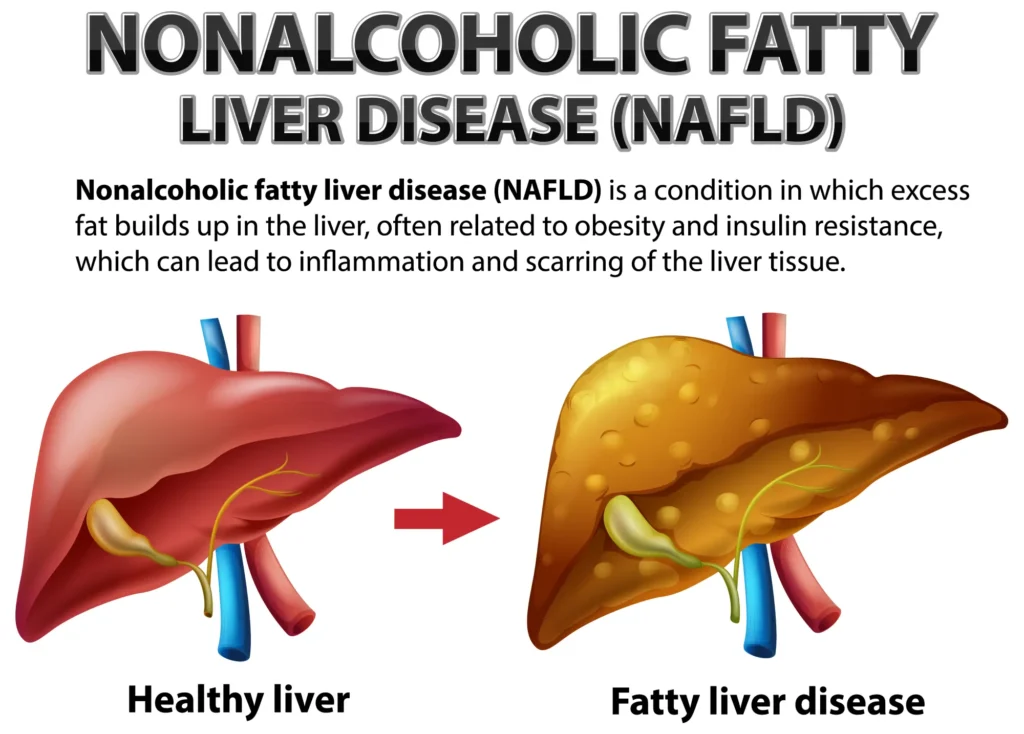
Fatty liver is increasingly identified during routine health examinations, blood tests or abdominal ultrasound. Some people have no obvious symptoms, while others may have metabolic or liver-related concerns that require further evaluation.
A Fatty Liver Treatment Center in Nagpur can help determine why fat has accumulated in the liver and whether there is evidence of inflammation or fibrosis.
Dr. Rachit Agarwal provides evaluation and management of fatty liver and other liver conditions in Nagpur.
What Causes Fatty Liver?
Fat accumulation in the liver can be associated with metabolic factors such as:
- Overweight or obesity
- Diabetes
- Insulin resistance
- High cholesterol
- Sedentary lifestyle
- Unhealthy dietary patterns
- Alcohol consumption
The underlying cause matters because management needs to be individualized.
Does Fatty Liver Cause Symptoms?
Many people with fatty liver do not have obvious symptoms. It may therefore be detected incidentally during imaging or blood investigations.
When symptoms do occur, they are not always specific to fatty liver.
This is why an abnormal ultrasound or liver report should be interpreted by a medical professional rather than ignored or self-treated.
How Is Fatty Liver Evaluated?
A doctor may consider:
Liver Blood Tests
These can help evaluate liver-related enzymes and other markers.
Ultrasound
Ultrasound may identify fat accumulation and provide information about the liver and biliary system.
FibroScan
FibroScan may help assess liver stiffness and the likelihood of fibrosis in appropriate patients.
Clinical Assessment
Medical history, metabolic health, medications, alcohol intake and other factors are considered when evaluating fatty liver.
What Is the Treatment for Fatty Liver?
Treatment depends on the underlying cause and severity.
For metabolic fatty liver disease, lifestyle management is an important part of care. Healthy eating, appropriate weight reduction and physical activity can reduce liver fat. NIDDK notes that losing at least 3–5% of body weight can reduce liver fat, while greater weight loss may be needed to improve inflammation and fibrosis in some patients.
The goal should be gradual, sustainable improvement, not crash dieting.
Management may also involve:
- Diabetes control
- Cholesterol management
- Physical activity
- Weight management
- Reducing or avoiding alcohol where appropriate
- Regular liver monitoring
Why Fibrosis Assessment Matters
Fat accumulation does not tell the complete story.
Some patients may have little risk of progression, while others may have inflammation or fibrosis that requires closer follow-up.
Therefore, the focus of a fatty liver evaluation should be broader than simply asking whether fat is present.
Fatty Liver Care in Nagpur
Dr. Rachit Agarwal provides evaluation and management of fatty liver disease and other liver conditions in Nagpur.
The appropriate treatment plan depends on the patient’s reports, metabolic health, lifestyle, medications and degree of liver involvement.
FAQs
Can fatty liver be reversed?
Liver fat can improve significantly with appropriate lifestyle and metabolic management in many patients.
Is fatty liver dangerous?
It can be mild in some people but may progress to inflammation and fibrosis in others.
Does fatty liver always cause symptoms?
No. Many patients may not notice symptoms.
Is FibroScan necessary for everyone?
No. Its use depends on the patient’s condition and clinical assessment.
Can I treat fatty liver without medical advice?
Lifestyle improvement is important, but appropriate medical evaluation helps determine the severity and cause of liver disease.