Gastroscopy Clinic in Nagpur for Accurate Upper Digestive Tract Evaluation
Gastroscopy Clinic in Nagpur
Persistent acidity, recurring indigestion, upper abdominal discomfort, vomiting or difficulty swallowing can sometimes indicate a problem that requires more than routine medication. Gastroscopy is one of the investigations a gastroenterologist may recommend when a closer examination of the upper digestive tract is necessary.
At a Gastroscopy Clinic in Nagpur, patients can undergo appropriate evaluation of the esophagus, stomach and duodenum based on their symptoms and medical history. Dr. Rachit Agarwal provides gastroenterology and endoscopic care for patients with a range of digestive complaints.
What Is Gastroscopy?
Gastroscopy, also known as upper GI endoscopy or esophagogastroduodenoscopy (EGD), uses a thin, flexible tube with a camera to examine the lining of the upper digestive system.
The examination generally includes:
- Esophagus
- Stomach
- Duodenum, the first part of the small intestine
The camera provides a direct view of the digestive tract and can help a gastroenterologist identify abnormalities that may not be visible through routine investigations.
When Is Gastroscopy Recommended?
Not every episode of acidity or indigestion requires gastroscopy. The procedure is recommended when there is an appropriate clinical reason.
A gastroenterologist may consider it for:
- Persistent heartburn or acidity
- Recurrent upper abdominal pain
- Difficulty swallowing
- Persistent vomiting
- Unexplained anemia
- Gastrointestinal bleeding
- Ongoing indigestion
- Suspected ulcers or inflammation
- Symptoms that do not improve with initial treatment
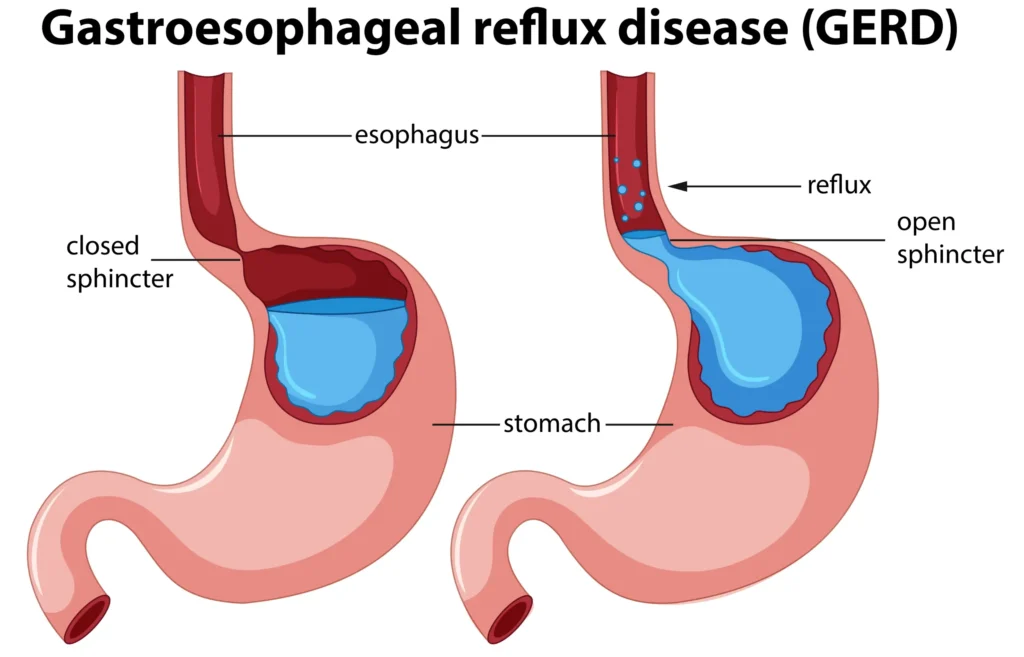
For GERD symptoms, doctors may initially assess symptoms and medical history. Further testing, including upper GI endoscopy, may be considered when symptoms persist, do not respond to treatment, or suggest complications.
What Can Gastroscopy Detect?
Gastroscopy can help evaluate conditions involving the upper digestive tract, including:
- Gastritis
- Peptic ulcers
- GERD-related changes
- Esophagitis
- Barrett’s esophagus
- Certain infections
- Bleeding sources
- Abnormal growths or other structural changes
- It can also support the evaluation of unexplained digestive symptoms.
Can a Biopsy Be Taken During Gastroscopy?
Yes. If the gastroenterologist identifies an area that needs further examination, small tissue samples can be collected through the endoscope.
The tissue is then examined by a pathologist. A biopsy may provide information that cannot be obtained from visual examination alone.
How Should You Prepare for Gastroscopy?
Preparation depends on the procedure and your individual medical condition. Patients are generally given instructions regarding fasting and medications before the examination.
Your doctor should know about:
- Current medicines
- Blood-thinning medicines
- Allergies
- Existing medical conditions
- Previous reactions to sedation or anesthesia
- Follow the specific preparation instructions provided by your treating team.
Is Gastroscopy Safe?
Upper GI endoscopy is generally considered a low-risk procedure, although complications can occur. Your gastroenterologist should discuss the potential risks and benefits based on your individual circumstances.
Gastroscopy in Nagpur With Dr. Rachit Agarwal
Dr. Rachit Agarwal is a gastroenterologist in Nagpur providing evaluation and management of digestive and liver disorders, including diagnostic and therapeutic endoscopic procedures.
The decision to perform gastroscopy is based on symptoms, examination findings, medical history and clinical need rather than simply the presence of acidity.
If you have persistent upper digestive symptoms, appropriate specialist evaluation can help determine whether gastroscopy or another investigation is necessary.
FAQs
1. Is gastroscopy the same as upper GI endoscopy?
Yes. Gastroscopy is commonly used to describe an upper GI endoscopic examination of the esophagus, stomach and duodenum.
2. Does everyone with acidity need gastroscopy?
No. Many patients with acidity can initially be assessed through symptoms and medical history. Gastroscopy may be recommended when symptoms persist, treatment does not help, or warning signs are present.
3. Can a biopsy be taken during gastroscopy?
Yes. Small tissue samples can be collected when medically required.
4. How long does gastroscopy take?
The examination itself is generally relatively short, although preparation and recovery can take additional time.
5. When should I consult a gastroenterologist?
Persistent acidity, difficulty swallowing, recurrent vomiting, bleeding, unexplained anemia or continuing upper abdominal symptoms should be medically evaluated.